According to the News Web Easy, the Tokyo Medical and Dental University and the Tokyo University as groups have studied the relation between foods and hairs and have published in a science magazine 「The Nature」.
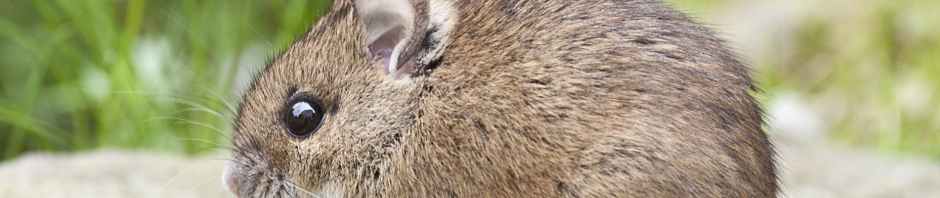
The group gave adult mice fatty foods and researched what would happen to their hairs. As a result of that, the mice that have been eating fatty foods for a month have lost their hairs. On a contract the mice that have been eating normal foods have not changed much in terms of losing their hairs.
An cell which is under a small skin hole makes a hair. When the group researched properly they have discovered that the mice that have kept on eating fatty foods has become less productive in making hairs as the fat are stored in the cells which make hairs.
The group has said 「We think a similar thing could happen to human beings. In order to prevent from losing hairs, it is quite important to pay attention to what foods we eat. 」
The actual Japanese article
For someone who study Japanese I have provided the actual Japanese article below.
マウスで実験「脂肪が多い食べ物で毛が少なくなる」
東京医科歯科大学と東京大学などのグループは、食べ物と毛の関係を研究して、科学雑誌「ネイチャー」で発表しました.
グループは、大人のマウスに脂肪が多い餌をあげて、毛がどうなるか調べました。その結果、脂肪が多い餌を1か月食べたマウスは毛が少なくなりました。普通の餌を食べたマウスは、あまり変わりませんでした。
毛は、皮膚の小さな穴にある細胞が作ります。グループが詳しく調べると脂肪が多い餌を食べ続けたマウスは、毛を作る細胞に脂肪がたまって、毛を作ることができなくなることがわかりました。
グループは「人にも同じことが起こると考えています。毛が少なくならないようにするためには、食事などに気をつけることが大切です」と話していました。
I am extremely lucky to have plenty of hairs but after having read this article I will pay much more attention to what I eat dairy.
Thanks for reading.


